

LONDON / NEW YORK ; The expansion of CAR-T cell therapy from oncology into rheumatology and neurology is easily one of the most exhilarating frontiers in modern medicine. The paradigm shift you highlighted—moving from lifelong immune suppression to a one-time “immune system reset”—is precisely why researchers are calling this a potential functional cure for severe autoimmune conditions.
Here is a breakdown of how this breakthrough works, the incredible clinical milestones being hit, and the hurdles scientists are trying to clear.
How CAR-T Retrains the Immune System
In autoimmune diseases like Systemic Lupus Erythematosus (SLE), rheumatoid arthritis, and multiple sclerosis, a subset of the patient’s own B cells goes rogue. They produce autoantibodies that mistakenly attack healthy organs and tissues instead of invading pathogens.
The CAR-T approach flips the script:
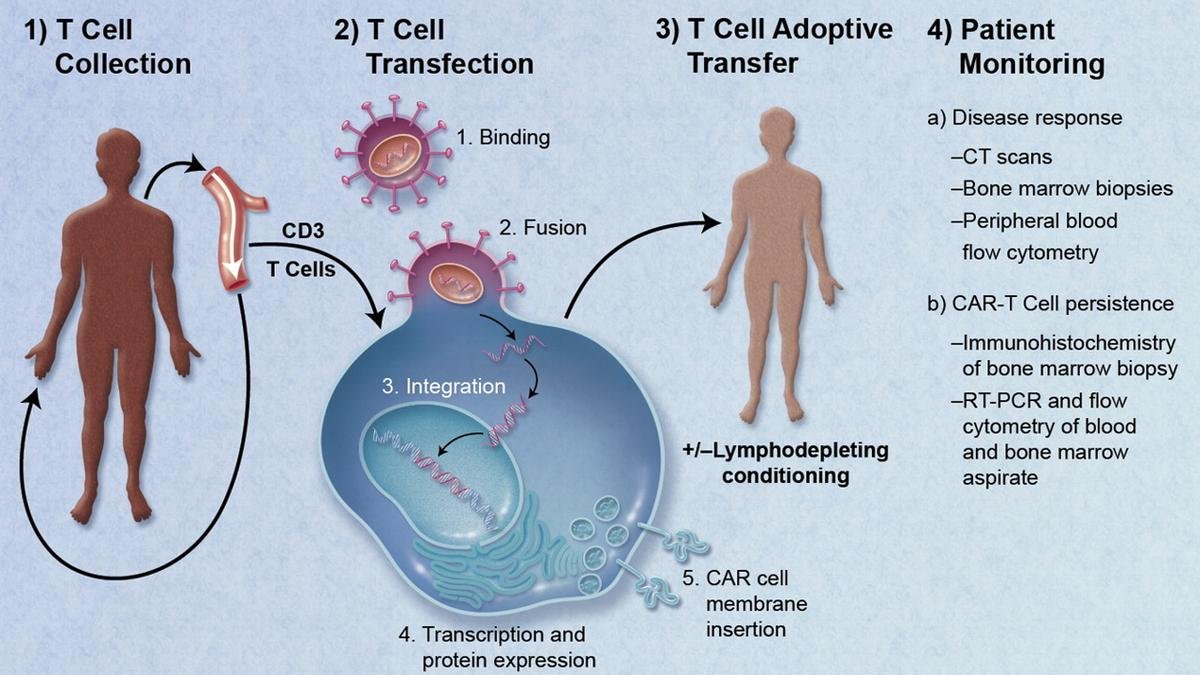
- Extraction: A patient’s T cells (the warriors of the immune system) are harvested.
- Engineering: In a lab, these cells are genetically modified to express a Chimeric Antigen Receptor (CAR) specifically designed to target CD19 or BCMA—surface proteins found on those rogue B cells.
- The Clean Slate: The patient undergoes a short course of chemotherapy to clear space, and the engineered CAR-T cells are reinfused.
- The Reset: The CAR-T cells systematically hunt down and wipe out the malfunctioning B-cell population.
When the body naturally replenishes its B cells a few months later, the “new” B cells emerge baseline reset—completely stripped of their memory to attack the host body.
Mind-Blowing Milestones in Autoimmune Trials
The clinical trial data has transitioned from “hopeful concept” to jaw-dropping realities:
- The Lupus “Tipping Point”: In landmark trials led by pioneer Dr. Georg Schett, severe, treatment-resistant lupus patients achieved complete, drug-free clinical remission. Years after a single infusion, patients have a disease activity score of zero and remain entirely off dangerous immunosuppressants and steroids.
- The “Three-Disease” Breakthrough: Just recently, a groundbreaking case report highlighted a patient suffering from three separate, concurrent, life-threatening autoimmune conditions (including antiphospholipid syndrome and severe anemia). A single CD19 CAR-T infusion put all three conditions into deep, simultaneous remission.
- Vaccine Memory Stays Intact: Remarkably, while the therapy destroys the bad B cells, patients still retain their long-term immunity to past vaccines (like tetanus), because the deep-seated bone marrow cells that hold those memories don’t carry the CD19 marker.
The Challenges Left to Conquer
While the potential is massive, it isn’t an overnight miracle cure for the general public quite yet. The medical community is actively tackling three major roadblocks:
- Safety and Toxicity: Just like in cancer treatments, CAR-T can trigger Cytokine Release Syndrome (CRS)—an intense, temporary “cytokine storm” as the modified cells go to work. While data shows autoimmune patients experience far milder, highly manageable CRS compared to cancer patients, it still requires intensive hospital monitoring.
- The Logistics & Cost Burden: Current therapies are autologous (custom-built using the patient’s own cells). This means manufacturing takes weeks, requires specialized facilities, and costs hundreds of thousands of dollars per patient.
- The Race for “Off-the-Shelf” Solutions: To make this mainstream, pharmaceutical giants are aggressively testing allogeneic CAR-T—using healthy donor cells that can be mass-produced, stored in a hospital freezer, and delivered to a patient instantly at a fraction of the cost.
Looking Ahead
We are currently witnessing a genuine therapeutic revolution. With over a hundred clinical trials actively testing cellular therapies for immunology, the next 5 to 10 years could see us completely phase out standard, blanket immunosuppressive drugs for the most severe cases, replaced instead by a definitive, localized reboot of the human immune system.