

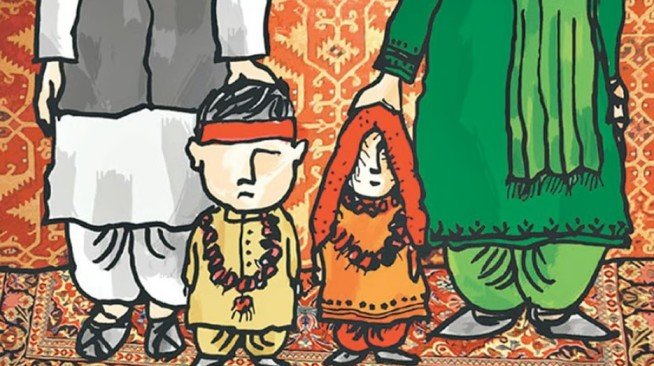
NEW DELHI — India has recorded significant progress in key social and gender development indicators, driven by a sharp drop in child marriage rates and a reduction in spousal violence over recent years. However, fresh data underscores a stark urban-rural divide and flatlining metrics in adolescent reproductive health, signaling that deep-seated structural challenges persist despite legislative and social interventions.
According to the latest statistical assessments, the country is witnessing an encouraging shift in the protection of young girls and women, though disparities in rural pockets continue to slow down nationwide equity goals.
Key Data Insights at a Glance
| Indicators | National Trend / Data Point | Persistent Gaps & Challenges |
| Child Marriage | Dropped to 20.1% (Women aged 20-24 married before 18) | Significantly higher concentration in rural areas |
| Spousal Violence | Overall nationwide decrease observed | Remains elevated in rural households |
| Sexual Violence (under 18) | Noted a measurable reduction | Underreporting and lack of rural protection remain concerns |
| Adolescent Motherhood | Stagnant / steady baseline rates | No significant decline, highlighting gaps in reproductive care |
Analysis: Breaking Down the Trends
1. The Decline in Early Marriages
The most prominent breakthrough in the latest dataset is the decline in early marriages. The percentage of young women aged 20 to 24 who were married before reaching the legal age of 18 has dropped down to 20.1%. This decline points to the positive compounding impact of increased female literacy, targeted state-level cash incentive schemes for girls’ education, and stricter enforcement of the Prohibition of Child Marriage Act.
2. Reduction in Gender-Based Violence
In tandem with rising marriage ages, the data shows a welcome downward trend in gender-based vulnerabilities. Both overall spousal violence and instances of sexual violence perpetrated before the age of 18 have seen a measurable reduction. Experts attribute this change to growing financial independence among young women, wider access to community support groups, and a gradual shift in social attitudes regarding reporting domestic abuses.
3. The Stagnancy of Adolescent Motherhood
Despite the drop in minor marriages, adolescent motherhood has remained steady. The rate of girls becoming mothers during their teenage years has not shown a corresponding decline. This divergence suggests that while fewer girls under 18 are getting married, those who do—alongside unmarried adolescents—still face severely restricted access to family planning resources, reproductive healthcare education, and bodily autonomy.
The Urban-Rural Divide: A Persistent Challenge
The most critical takeaway from the data is that progress in India is moving at two drastically different speeds. While urban centers are rapidly shaking off regressive socio-economic practices, rural areas continue to show disproportionately higher rates for both child marriages and spousal violence.
- Socio-Economic Safety Nets: Rural households are far more susceptible to economic shocks, where early marriage is unfortunately still used as a traditional coping mechanism to reduce a family’s financial burden.
- Access to Justice and Healthcare: Rural women face geographic and social barriers when trying to access law enforcement or healthcare infrastructure. A lack of localized counseling centers and reliable police oversight allows domestic and spousal abuse to persist at much higher frequencies than in urban neighborhoods.
The Path Forward
The latest findings prove that India’s targeted campaigns against early marriage and gendered violence are yielding tangible results on a macro level. However, the flatlining rate of teenage pregnancies and the heavy concentration of abuse in rural sectors show that a blanket, one-size-fits-all approach is no longer sufficient.
To bridge these remaining gaps, future government policies and civil society interventions must pivot heavily toward rural infrastructure—specifically by expanding secondary education for girls in remote villages, digitizing rural grievance redressed mechanisms, and integrating comprehensive reproductive health services into grassroots healthcare centers