

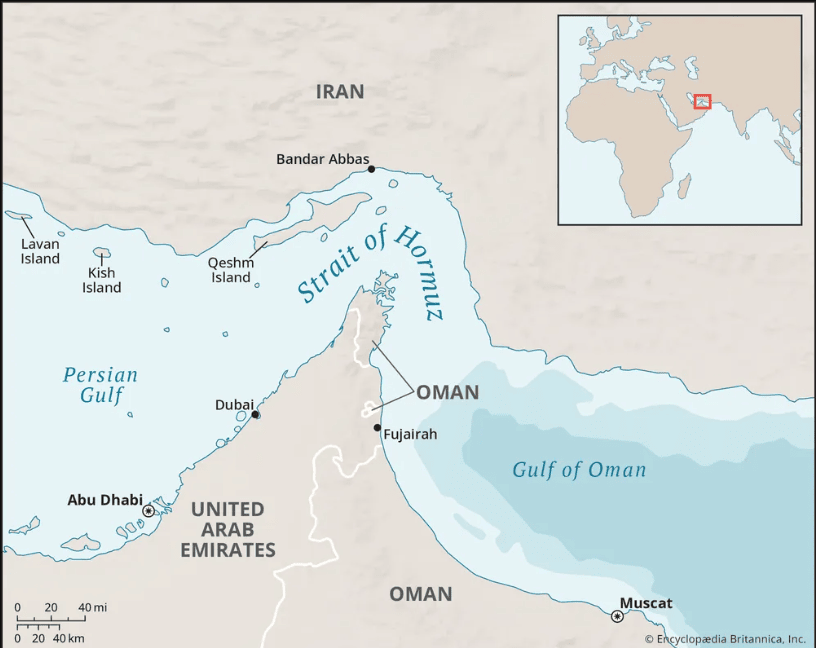
WASHINGTON D.C. — In a series of high-stakes remarks from the White House, U.S. President Donald Trump has signaled a potential escalation in the Persian Gulf, hinting at the revival and expansion of a maritime security initiative dubbed “Project Freedom Plus.” The announcement comes as the administration grapples with a fragile ceasefire and a looming deadline for a finalized deal with Tehran.
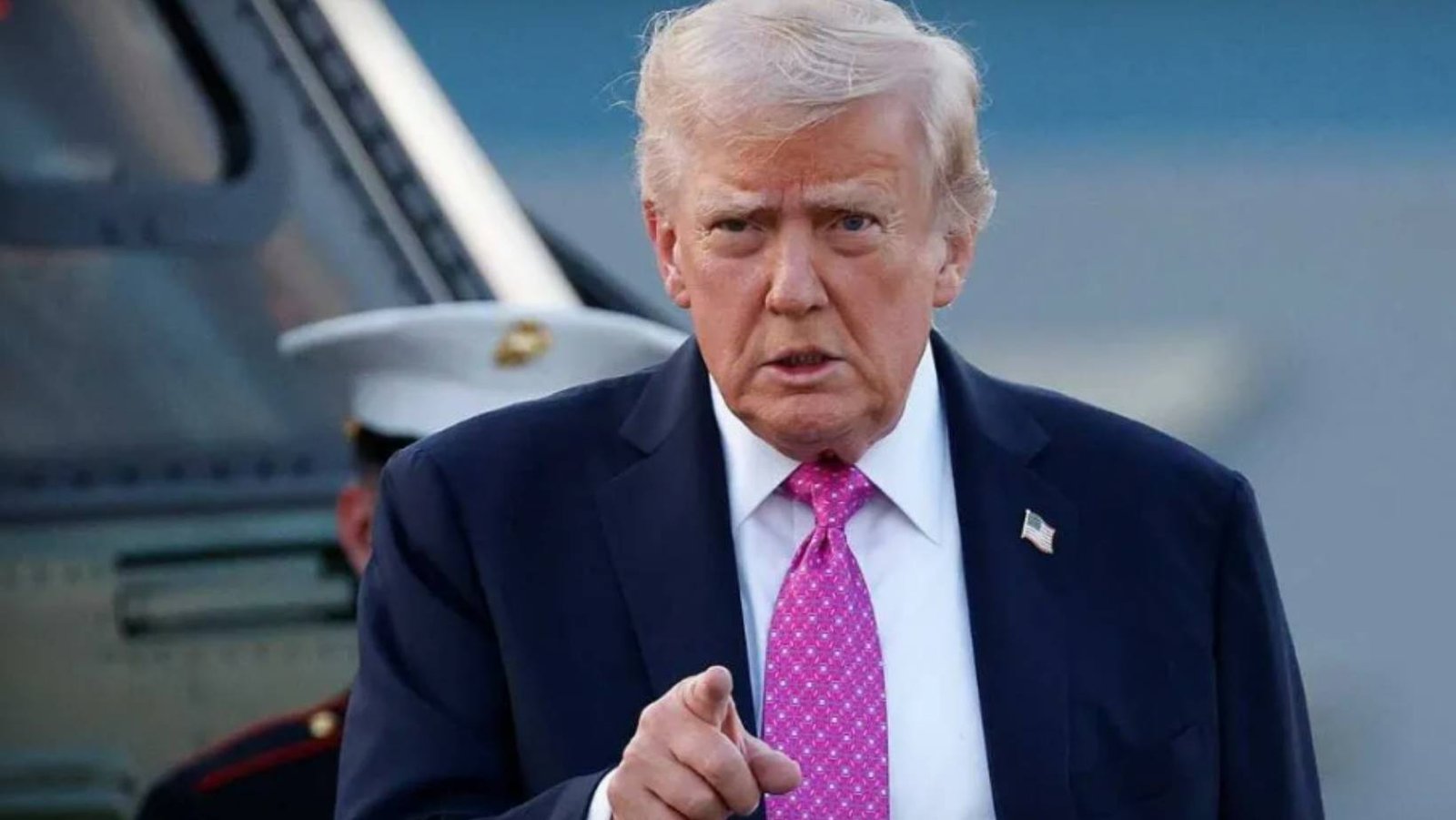
The Evolution of “Project Freedom”
Originally launched to provide safe passage for commercial vessels through the volatile Strait of Hormuz, “Project Freedom” was designed as a defensive naval operation. Managed by U.S. Central Command (CENTCOM), the mission deployed assets like the USS Tripoli and F-16 squadrons to deter harassment of merchant shipping. However, the President recently paused the initiative to allow room for diplomatic “breathing space.”
The proposed “Plus” iteration suggests a more robust posture. While the President noted the initiative would remain fundamentally similar to its predecessor, he added the cryptic caveat of “plus other things.” Military analysts suggest this could imply expanded rules of engagement or a broader coalition of “neutral” vessels receiving direct U.S. protection, potentially moving beyond simple route guidance to active interdiction of threats.
Diplomatic Deadlock and the “Pakistan Factor”
The temporary pause in naval operations was reportedly a strategic concession following requests from Pakistan, which has emerged as a central mediator between Washington and Tehran. The Pakistani-led efforts aim to broker a permanent peace deal, leveraging their unique diplomatic position to prevent the current ceasefire from collapsing.
Despite the pause, a strict naval blockade of Iranian ports remains in full effect. The administration has made it clear that “Project Freedom Plus” serves as the primary “Plan B” if the ongoing negotiations do not result in a signed and “buttoned up” agreement within the coming days.
The Economic Shield: Why Hormuz Matters
The stakes of the standoff cannot be overstated for the global economy. The Strait of Hormuz is the world’s most critical maritime chokepoint, facilitating the transit of approximately 20% of the world’s oil supply and 20% of global liquefied natural gas (LNG). For Asian economies, the reliance is even more acute; data suggests that nearly 84% of the crude oil shipped through the strait is destined for markets in China, India, Japan, and South Korea.
Any disruption or “closure” of the waterway triggers immediate volatility. Recent intelligence reports indicate that while commercial traffic has slowed, a “dark fleet” of tankers continues to operate around Kharg Island, attempting to bypass sanctions and blockades under the cover of disabled transponders.
Regional Friction and the Saudi Airspace Dispute
A significant hurdle for the administration has been the coordination with regional allies. Reports surfaced this week that Saudi Arabia initially refused to allow U.S. aircraft involved in “Project Freedom” to utilize the Prince Sultan Air Base or fly through Saudi airspace. The base serves as a “strategic nerve center” for U.S. airpower in the region, hosting AWACS surveillance planes and aerial refueling tankers essential for sustained maritime patrols.
While some reports suggest that Riyadh has since softened its stance, the friction highlights a growing caution among Gulf states. Many regional partners are wary of being drawn into a direct kinetic conflict, even as they remain supportive of the broader diplomatic efforts to stabilize the waterway.
What to Watch Next
As the weekend approaches, all eyes are on the progress of the Pakistani-led mediation. If a signature is not secured from Tehran, the transition to “Project Freedom Plus” could begin immediately. The international community remains on high alert, as the shift from a “defensive pause” to an “expanded mission” could redefine the security architecture of the Middle East for years to come.