

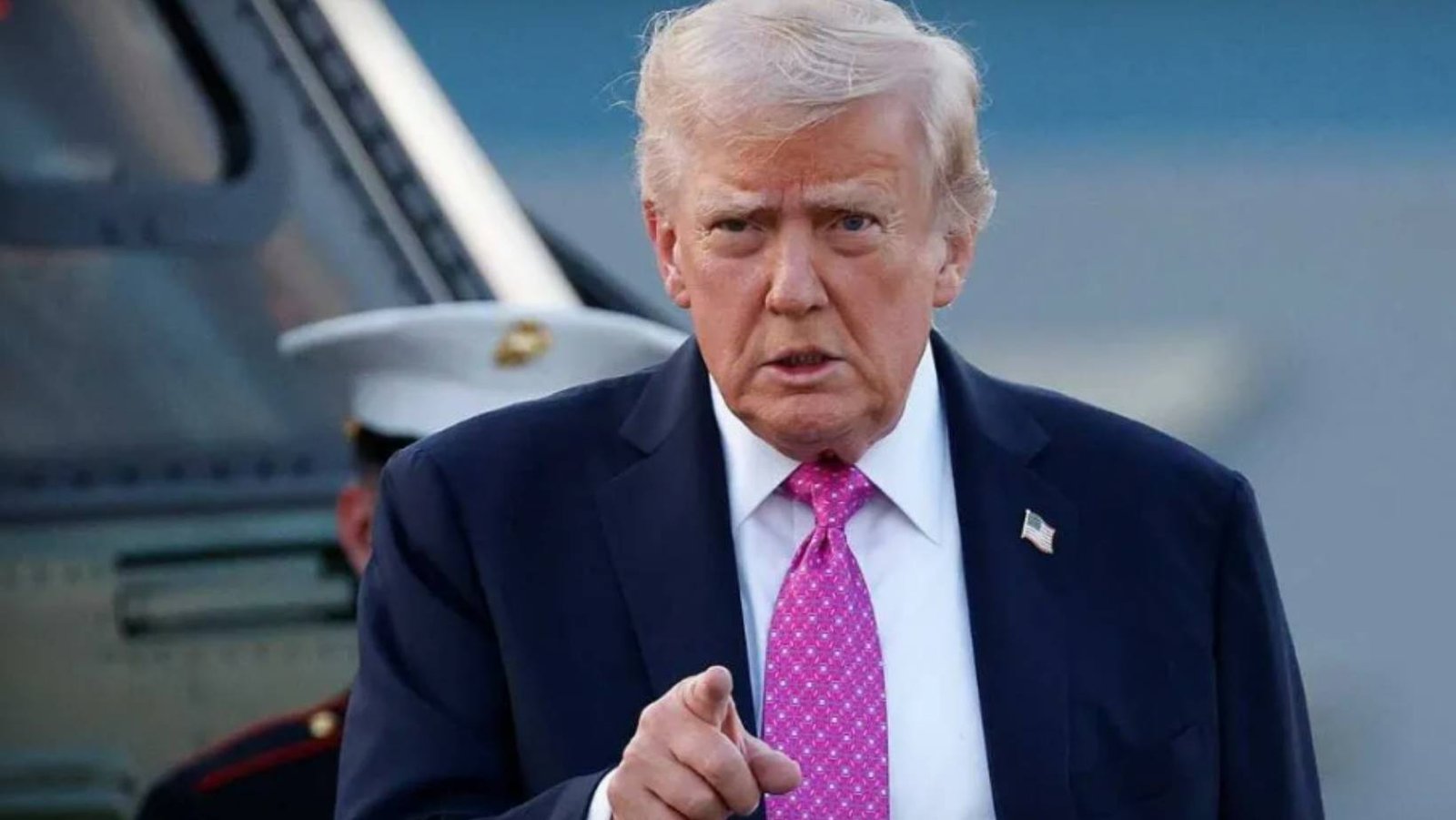
America’s interest in Venezuela is not new, especially during the presidency of Donald Trump. It has long been clear that Venezuela mattered more to the US for its oil reserves than for concerns about democracy or human rights.
Venezuela’s economy is in deep trouble. Inflation has remained extremely high for years. In 2025, the country recorded an annual inflation rate of around 500 percent. Earlier, in 2018, inflation had reached a shocking 63,000 percent, one of the highest levels ever seen. These numbers show how badly the economy has weakened and how sharply the country’s currency has lost value.
Venezuela has been struggling with economic problems for nearly two decades and is now virtually bankrupt. Along with economic hardship, political instability has also grown. When an economy collapses, political unrest usually follows. In this situation, the US has often spoken about human rights, while keeping a close watch on Venezuela’s oil wealth.
A trillion-dollar oil reserve that attracts global attention
Venezuela holds the world’s largest proven crude oil reserves, estimated at around 303 billion barrels. This massive reserve is often described as a hidden treasure. If the oil could be extracted and sold properly, it could completely change Venezuela’s future. However, this enormous wealth has also drawn strong interest from the United States.
Donald Trump has openly said many times that Venezuela’s oil is ‘in the wrong hands.’ For him, the Maduro government was a major obstacle. Sanctions, political pressure and attempts to push for a change in leadership were aimed at one goal, to make Venezuela’s oil accessible to American companies and US interests.
Trump’s interest was not only about cheaper oil. Venezuela’s oil could also give the US an advantage against Russia and OPEC. If the US gained influence over these reserves, it could help control global oil prices and strengthen the US dollar.
Huge value on paper, tough reality on the ground
At a price of USD 40 per barrel, Venezuela’s oil reserves are worth about USD 12.12 trillion, which is more than three times India’s GDP. For comparison, Pakistan’s GDP in 2025 was around USD 410.5 billion, making Venezuela’s oil wealth nearly 30 times larger.
Even at USD 30 per barrel, the reserves would still be worth around USD 9.1 trillion, roughly double Japan’s GDP. However, these figures are only estimates. Extracting Venezuela’s oil is costly because most of it is heavy and extra-heavy crude. Rebuilding refineries, pipelines and power systems would need billions of dollars and several years, meaning real economic benefits would take time to appear.