

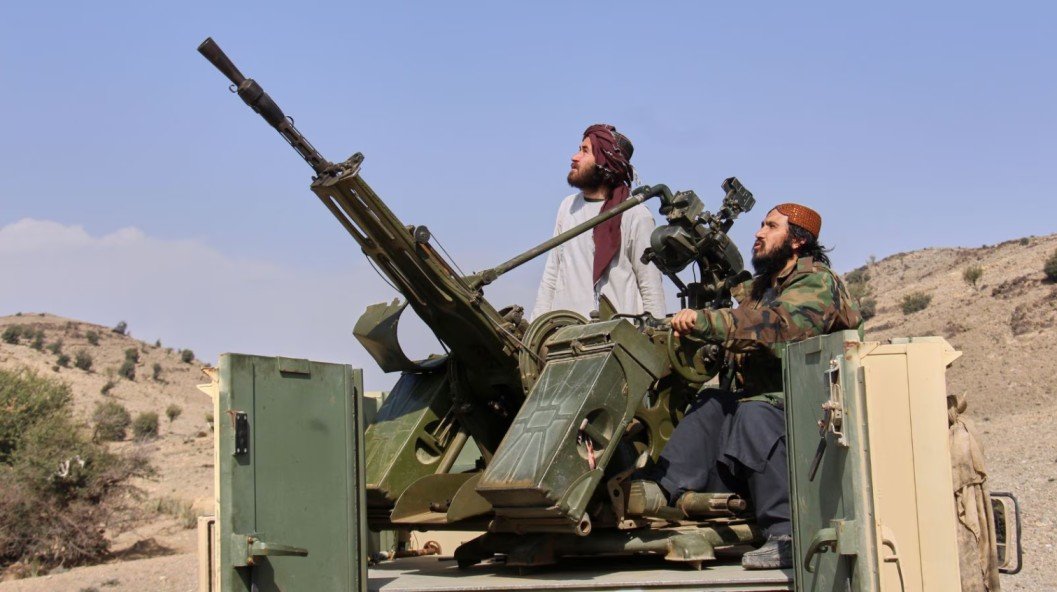
KABUL/ISLAMABAD — The ongoing 2026 border war between Pakistan and Afghanistan escalated to dangerous new heights on Wednesday following severe Pakistani military airstrikes. The overnight bombardment struck civilian settlements in Afghanistan’s eastern border provinces, killing at least 13 people—including 11 children—and completely shattering a fragile, internationally brokered ceasefire.
According to Taliban chief spokesperson Zabihullah Mujahid, Pakistani fighter jets violated Afghan airspace to launch overnight raids across Khost, Kunar, and Paktika provinces. The strikes demolished residential homes, killing 11 children, one woman, and an elderly man, while leaving 14 other civilians severely wounded.
What Triggered the Retaliatory Airstrikes?
The immediate trigger for Pakistan’s military intervention was a lethal militant ambush carried out less than 24 hours prior.
On Tuesday, suspected insurgents heavily targeted a paramilitary outpost in the Hasan Khel area of northwestern Khyber Pakhtunkhwa. The ensuing intense gunbattle resulted in the deaths of six Pakistani Federal Constabulary officers.
In direct retaliation, Pakistan’s Information Minister Attaullah Tarar confirmed that the Pakistan Air Force executed “precise and calibrated strikes” along the border. Pakistan claims the operation successfully eliminated 26 militants and destroyed four key assets:
- A militant training center
- An operational hideout
- A major ammunition cache
- Safe havens linked to senior TTP commanders
Why are Pakistan and Afghanistan Fighting?
The underlying cause of the ongoing conflict is a deep-seated dispute over cross-border terrorism, transforming former regional allies into direct military adversaries since the Taliban seized power in Kabul in 2021.
1. The TTP Sanctuary Dispute
Islamabad explicitly accuses the Afghan Taliban of harboring and providing safe havens to the Tehrik-e-Taliban Pakistan (TTP), also known as the Pakistani Taliban. Pakistan maintains that the TTP utilizes Afghan soil as a launchpad to orchestrate deadly terror campaigns against Pakistani civilians and security personnel. While the Afghan Taliban is ideologically allied with the TTP, Kabul consistently denies allowing its territory to be used against neighboring states.
2. The Cycle of Open War
The geopolitical relationship deteriorated entirely in late February 2026, when Pakistan declared an “open war” against cross-border militancy following a massive surge in domestic terror attacks. The conflict has since claimed hundreds of lives, displaced over 115,000 civilians along the Durand Line, and generated intense diplomatic friction, despite recent Beijing-hosted mediation attempts.
While Islamabad dismisses reports of civilian deaths as “foreign-sponsored propaganda,” the United Nations and independent humanitarian groups have expressed immense alarm over the rapidly compounding toll on innocent families caught in the crossfire.