

The Four-Comma Milestone: Elon Musk Crosses $1 Trillion
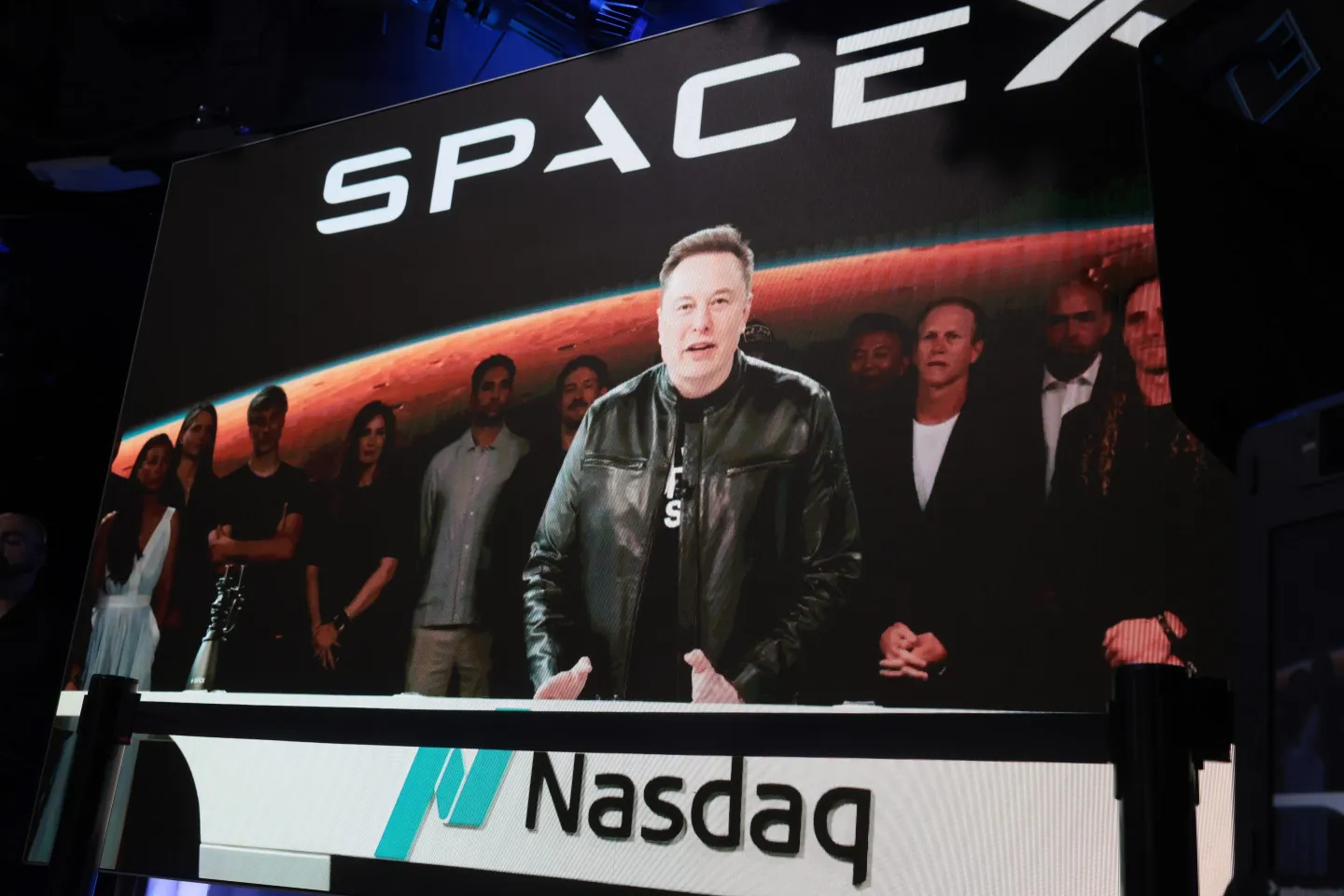
In an unprecedented financial milestone that redraws the boundaries of extreme wealth, tech titan Elon Musk has officially become the world’s first trillionaire. The historic wealth surge was triggered by the highly anticipated Wall Street debut of his rocket, satellite, and artificial intelligence conglomerate, SpaceX.
According to financial tracking by Forbes, Musk’s personal net worth soared past the twelve-digit barrier to finish at an estimated $1.1 trillion by the close of the opening day of trading. This monumental figure places him more than three times ahead of the world’s second-richest individual, cementing his status as potentially the wealthiest private individual in modern human history.
Inside the Record-Breaking SpaceX IPO Numbers
SpaceX, trading under the ticker symbol “SPCX” on the Nasdaq, pulled off the largest Initial Public Offering (IPO) in global financial history. The blockbuster listing easily eclipsed the previous $29.4 billion record held by oil giant Saudi Aramco since 2019.
The Data Breakdown:
- Capital Raised: SpaceX raised $75 billion prior to the opening bell, selling 555.6 million shares at a set price of $135 apiece.
- The Trading Day Pop: The stock opened for public trading at midday at $150 per share, peaking at an intra-day high of $176, before settling at $160 per share at market close—a 19% gain from its offer price.
- Market Capitalization: The day-one surge pushed SpaceX’s total market value to a staggering $2.1 trillion.
- The “Elon Premium”: Demand was intensely fiercely oversubscribed by more than four times. Institutional giants like BlackRock placed orders exceeding $5 billion, while retail investors flooded the book with over $70 billion in bids.
Investors willingly paid a massive premium to back Musk, despite the company posting a net loss of $4.94 billion for its most recent reporting period due to heavy capital investment.
The Space-AI Conglomerate: More Than Just Rockets
The eye-popping $2.1 trillion market validation rests on the fact that SpaceX has evolved far beyond a launch provider. The modern public entity is a massive tech conglomerate that includes:
- The Rocket Division: The core aerospace arm that conducts multiple reusable Falcon launches per week for NASA and the Pentagon.
- Starlink: The satellite internet network currently serving 10.3 million users via a constellation of 9,600 orbital units.
- xAI Integration: Earlier this year, Musk strategically folded his artificial intelligence startup, xAI, into SpaceX. This integration forms the backbone of a highly ambitious plan to launch football-field-sized “orbital data centers” into space to bypass Earth’s energy constraints for heavy computing.
Retaining a Cult Following Amid Growing Inequality Concerns
This astronomical wealth creation comes at a sensitive geopolitical and economic juncture. Public anxiety regarding extreme wealth inequality is at an all-time high. Economists point out that a $1.1 trillion fortune is greater than the individual annual GDPs of roughly 190 nations.
Furthermore, political and corporate governance concerns continue to hover around Musk. The IPO faced fierce pre-debut backlash, including calls from US Senator Elizabeth Warren to delay the listing over valuation structures. Critics also highlight the unique governance risks involved, as Musk firmly controls roughly 85% of SpaceX’s voting shares, making him relatively insulated from standard shareholder pressures.
Yet, Musk continues to defy the laws of traditional public relations. Unlike historical industrial tycoons like Warren Buffett, who endeared themselves to the public via a folksy, modest persona, Musk has maintained a fiercely loyal global following through raw technological disruption and sheer audacity.
Funding the Road to Mars
For Musk, the transition to a public company isn’t about personal liquidity; under the IPO terms, he cannot sell his shares for at least a year. Instead, the multi-billion-dollar cash injection is meant to bankroll his ultimate, civilization-scale objectives.
Speaking from Starbase, Texas, during the ceremonial bell-ringing, Musk reiterated his core mission:
“SpaceX is seeking this capital because we need the money to fund our ambitions of putting data centers in space, and ultimately establishing a self-sustaining city of one million people on Mars. We want to make life multiplanetary.”
With the IPO setting a record that may stand for decades, Wall Street has given him the ultimate mandate to try.