

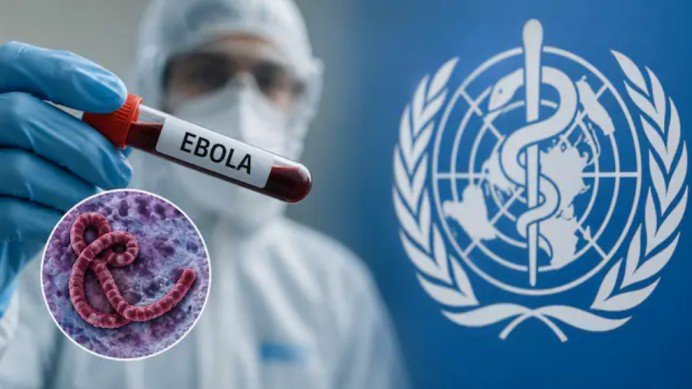
GENEVA — Despite the hard-earned lessons from the devastating 2014 Western African Ebola outbreak and the global COVID-19 catastrophe, a stark new report warns that the world remains dangerously unprepared for the next inevitably emerging pandemic.
The warning comes from the Global Preparedness Monitoring Board (GPMB)—an independent accountability body established in 2018 by the World Health Organization (WHO) and the World Bank. Released in mid-May 2026, the report, titled “A World on the Edge: Priorities for a Pandemic-Resilient Future,” highlights a severe reality: global investments in pandemic preparedness have fundamentally failed to keep pace with the rapidly escalating risk of infectious disease outbreaks.
The release of the report coincides with a grim milestone on the ground. On May 17, 2026, the WHO officially declared a new Ebola epidemic originating in the Democratic Republic of Congo (DRC) as a Public Health Emergency of International Concern (PHEIC), signaling a high risk of international spread that demands an immediate, coordinated global response.
The Policy Gap: Unimplemented Warnings
While the GPMB provides world-class risk assessments, its critical diagnoses and recommendations remain largely unimplemented by many countries. This policy failure is most acutely felt across the African continent, where infectious diseases frequently emerge, rage, and ravage vulnerable populations.
To break this cycle, health experts and virologists argue that Africa must build deep internal trust in its own ability to prevent and control outbreaks. Moving forward, the continent must urgently sustain a strategy built upon five structural pillars:
1. Data Sovereignty and Independent Risk Monitoring
African countries must establish locally funded data systems that prioritize national health sovereignty. Currently, controversial international agreements pressure developing nations into signing away their health data or prematurely releasing precious biological pathogens to foreign entities in a barter exchange for donor funding.
Instead, health data must be treated as an invaluable national asset essential for public health tracking, clinical management, and indigenous vaccine research.
- Local Innovation: Governments must mobilize local counterpart funds to empower indigenous scientists, allowing them to innovate treatments using natural, national pathogens for global benefits.
- Centralized Tracking: The WHO-Africa Region and the Africa Centres for Disease Control (Africa CDC) must avoid institutional competition. Instead, they must collaborate to spearhead centralized disease tracking scorecards.
2. Workforce Retention Over Capacity Building
While a massive amount of funding goes toward short-term “capacity building” workshops, African healthcare systems suffer severely from a lack of capacity retention.
To foster workforce loyalty, reduce brain drain, and boost productivity, African nations must build safe, supportive work environments. This requires ensuring psychological safety alongside tangible physical resources—including properly equipped laboratories, reagents, personal protective equipment (PPE), and clinical consumables. Under these enabling conditions, a trained workforce can focus effectively on localized health issues.
3. Equitable Access to Countermeasures
Africa must stand firm during international treaty negotiations. The continent must refuse to compromise on the ratification of global health pacts, demanding guarantees for:
- Fair technology transfers
- Intellectual property (IP) waivers during health crises
- Robust regional manufacturing footprints
By expanding the local production of diagnostic kits, syringes, gloves, masks, and vaccines, African nations can insulate themselves from the supply chain collapses and unequal distribution pipelines witnessed during the COVID-19 pandemic.
4. Sustainable Financing and the African Epidemic Fund
Historically, the greatest financial barrier in African healthcare has not just been a lack of capital, but the wastage of available resources on misplaced political priorities.
To remedy this, governments must commit to steady domestic healthcare investments using blended financing models that combine public and private sectors. A prime example of this strategy is the African Epidemic Fund, launched in 2025 by the African Union. Designed to build rapid financial reserves for locally led emergency responses, this relatively new fund must operate under strict accountability—providing transparent, regular public updates on donor contributions and project impacts.
5. Moving Beyond Political Slogans
There can be no recess or holiday from pandemic preparedness. Advocacy from African political elites must move past empty campaign slogans and be driven directly into binding national legislation by regional bodies like the African Union.
Ultimately, the report emphasizes that top-down infrastructure is useless without trusted, bottom-up community engagement. True pandemic resilience will only be achieved when local communities are actively involved and empowered as the first line of defense against emerging biosecurity threats.