
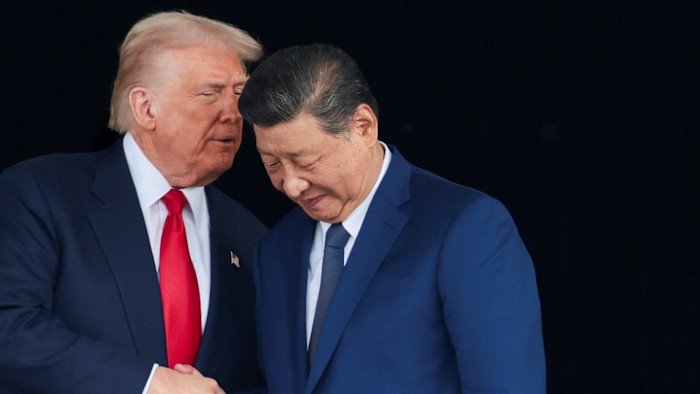
Nearly nine years after his 2017 “state visit-plus,” President Donald Trump is scheduled to arrive in Beijing on May 14, 2026, for a critical two-day summit with President Xi Jinping. However, the festive atmosphere of his last visit—marked by children waving flags and a banquet in the Forbidden City—has been replaced by a “chillier” geopolitical reality driven by the escalating 2026 Iran war.
The Iran Factor: A Strained Energy Partnership
The ongoing conflict in the Middle East and the Strait of Hormuz blockade have forced a realignment of the U.S.–China relationship.
- Energy Squeeze: China’s crude oil imports plummeted 20% in April as ships remain stranded in the Gulf, leaving Beijing frustrated with the U.S.-led blockade.
- Diplomatic Tug-of-War: Trump is expected to press Xi to join an international operation to reopen the Strait, while China has already hosted Iranian Foreign Minister Abbas Araghchi to position itself as an independent mediator.
Trade 2.0: Moving Beyond Tariffs
Unlike the 2017 visit that focused on a $250 billion “shopping list,” the 2026 agenda shifts toward structural competition.
- New Mechanisms: Both leaders are set to discuss the creation of a “Board of Trade” and “Board of Investment” to manage long-term imbalances.
- Strategic Assets: Discussions will prioritize critical minerals, AI safety, and a potential order for 500 Boeing aircraft to stabilize the shaky trade truce.