
NEW DELHI
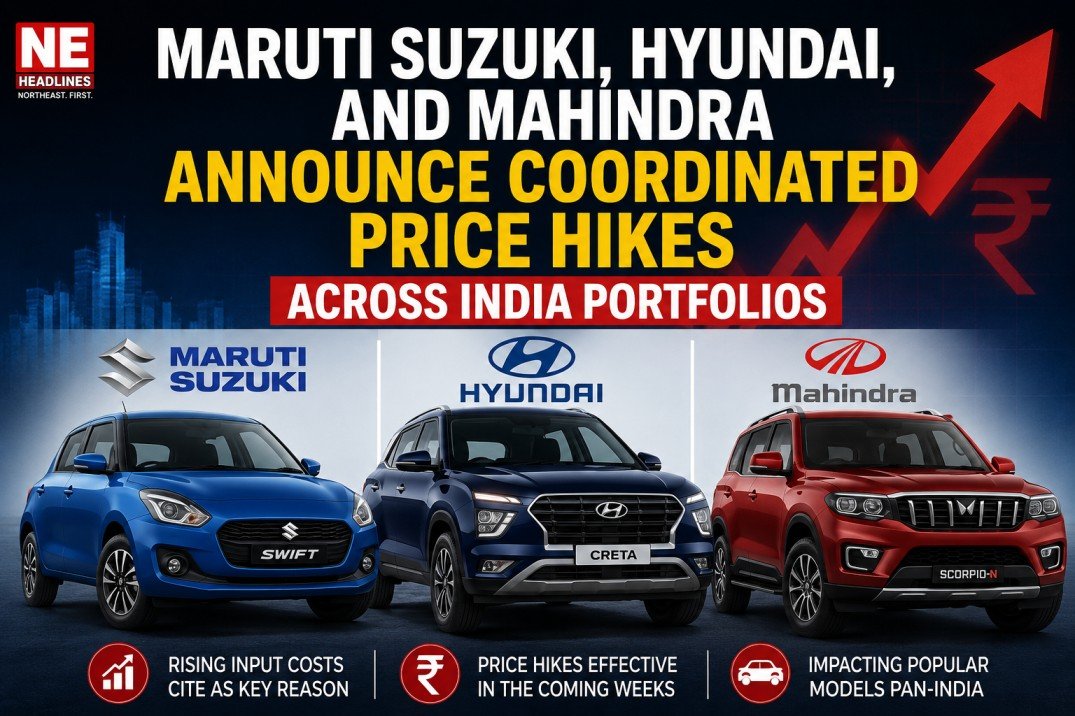
Indian car buyers preparing to purchase new vehicles are facing a double-whammy of escalating costs. Ahead of the new month, India’s leading passenger vehicle manufacturers—Maruti Suzuki India, Hyundai Motor India, and Mahindra & Mahindra—have officially announced across-the-board price revisions effective from June 1, 2026.
The automakers have uniformly attributed the decision to unrelenting inflationary pressures, spike in steel and aluminum prices, and a challenging macroeconomic operational environment.
JUNE 1, 2026 PASSENGER VEHICLE PRICE REVISIONS
MANUFACTURER MAXIMUM REVISION EX-SHOWROOM |
Maruti Suzuki Up to ₹30,000 (Varies by model & variant)
Hyundai Motor India Up to ₹12,800 (Second major hike of CY2026)
Mahindra & Mahindra Up to 2.5% increase across full SUV portfolio
How the Major Players Rank:
- Maruti Suzuki India: The country’s largest automaker will introduce the steepest price hike, with vehicle costs escalating by up to ₹30,000. The company noted that despite aggressive internal cost-reduction measures over the past few quarters, it has been forced to pass a portion of the input cost burden to end consumers.
- Hyundai Motor India: South Korea’s auto giant will bump vehicle prices by up to ₹12,800. Hyundai had initially planned a $1\%$ price hike for May 1, but deferred the implementation by a month to give consumers a brief window. This marks Hyundai’s second major broad-based price revision of CY2026 following a 0.6% hike in January.
- Mahindra & Mahindra: Joining the industry reset, Mahindra confirmed a price hike of up to 2.5% across its entire lineup, further driving up the cost of popular SUVs.
A Compounding Crisis: Skyrocketing Fuel Prices
This full-blown industry reset comes at an adverse time for consumer sentiment. Due to geopolitical tensions in West Asia and escalating conflicts affecting global crude oil routes, petrol and diesel prices across major Indian cities have surged by nearly ₹5 per litre over the last 10 days alone.
Impact on Consumers
Automotive analysts point out that while a maximum ceiling of ₹12,800 or ₹30,000 might look nominal compared to a vehicle’s sticker price, the actual on-road cost impact will be notably higher. Once proportional changes in state registration taxes, GST, and insurance premiums are factored in, end-of-month buying decisions in price-sensitive entry-level and mid-segment categories are expected to slow down temporarily.