
NEW DELHI, INDIA:
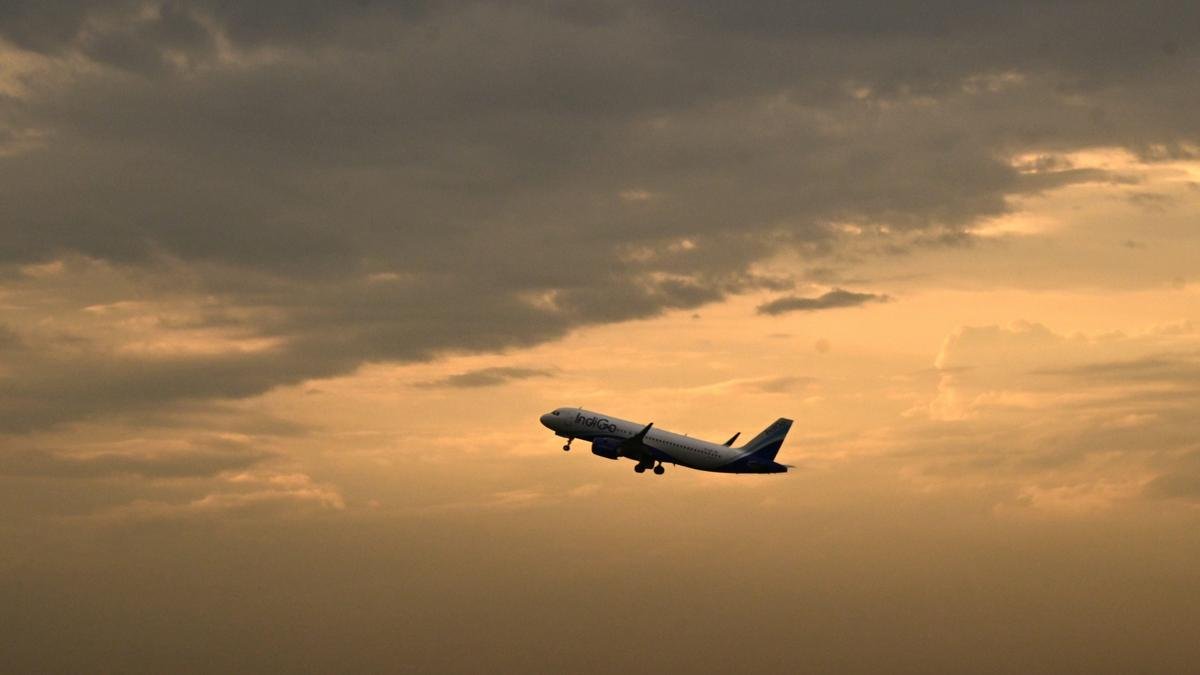
Indian flyers are staring at a massive surge in airfares starting this June, as the country’s three top airlines—IndiGo, Air India, and Air India Express—have announced a coordinated reduction of approximately 250 daily domestic flights. The sweeping network reductions come in response to skyrocketing Aviation Turbine Fuel (ATF) prices and a noticeable dip in seasonal travel demand.
The move is expected to severely impact domestic seat availability across major and regional routes. Because these three carriers collectively control a massive 90% of the domestic market share, nine out of ten air travelers in India will feel the immediate operational squeeze of this capacity reduction.
Airlines Share the Burden of Planned Cuts
The flight cuts vary across carriers, with Air India taking the most aggressive approach by stripping down nearly a quarter of its domestic schedule for June and July.
| Airline | Current Daily Flights | Capacity Cut (%) | Approx. Daily Flights Withdrawn |
| Air India | ~500 | 22% | 110 flights |
| IndiGo | ~2,200 | 5% | 110 flights |
| Air India Express | ~340 | 10% | 34 flights |
| Total Combined Cut | ~3,040 | — | ~254 flights |
The Double Whammy: High Fuel Prices and Lean Season
The decision to pull back flights is a tactical maneuver by airlines to stabilize profit margins against a brutal double-whammy of rising input operational costs and weakening market demand.
- The Fuel Crisis: Jet fuel (ATF) costs have risen continuously, making short-haul and low-occupancy routes highly unprofitable. “These adjustments are driven by the sustained impact of high fuel prices on overall operations,” Air India confirmed in an official statement.
- The Seasonal Drop: Mid-June traditionally marks the end of the hectic summer holiday school rush. As families head back to routine schedules, corporate and leisure travel sentiments typically soften.
IndiGo airline sources noted that the 5% reduction aligns with this lean travel window, observing that passengers are currently cutting back heavily on discretionary travel spending due to inflated ticket pricing. Industry analysts warn that while the reduction allows airlines to save on fuel burns, the massive drop in available seats will inevitably push spot airfares significantly higher on high-traffic routes.