

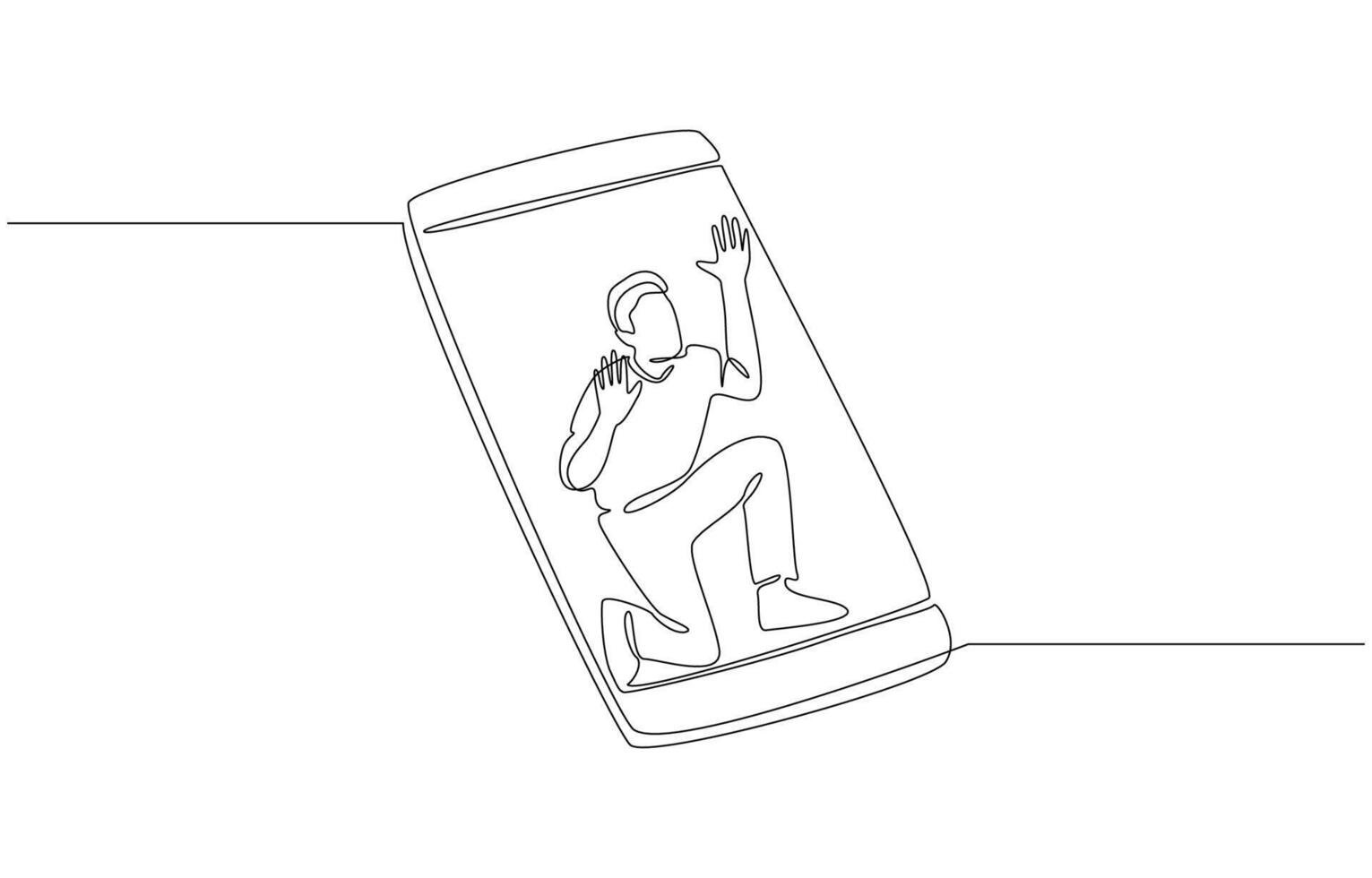
NEW DELHI — India is currently commanding one of the most aggressive and rapid digital transformations ever recorded in human history. Driven by rock-bottom data tariffs, incredibly affordable smartphones, and ubiquitous digital payment ecosystems, connectivity has penetrated the deepest corners of the country. Yet, as the nation celebrates this massive leap in economic and technological empowerment, a silent behavioral crisis is taking root—one defined by chronic distraction, deep psychological dependency, and a rapid decline in human attention spans.
The Mechanics of Dependency
According to data from Digital 2025: India, the country boasts an internet user base exceeding 80 crores, with nearly 50 crores actively engaging on social media networks. While this infrastructure keeps the economy agile, the psychological cost is steep. Smartphones are no longer mere utilities; they have transitioned into physical extensions of the human persona.
The human brain is fundamentally unequipped for the relentless bombardment of digital stimuli it receives today. Modern applications deploy highly optimized, predatory algorithms engineered precisely to maximize user retention. Features such as infinite scrolling, immediate auto-play videos, and aggressive, personalized push notifications act as intermittent reward systems. This constant feedback loop triggers compulsive checking habits. The World Health Organization (WHO) has repeatedly warned that such excessive screen exposure severely undermines sleep quality, physical health, and mental well-being, particularly among children and adolescents.
The Academic Toll on the Youth
The crisis is most visible within educational institutions. Educators across India report a severe drop in classroom engagement. Students exhibit a growing intolerance for long-form explanations, complex reading materials, or traditional textbooks, opting instead for superficial, instant online answers.
This shift threatens core intellectual development by weakening:
- Deep learning capabilities and academic concentration
- Critical analytical and independent thinking
- Problem-solving skills and genuine intellectual curiosity
Even during critical laboratory sessions and practical workshops, the urge to check notifications routinely overrides active learning.
The Erosion of Social and Domestic Spaces
The changing social landscape is radically altering Indian domestic life. The traditional evening hours—once reserved for family conversations, reading, or outdoor recreation—have fallen silent. It is now commonplace to see families gathered in the same room, or even sitting at the dinner table, completely isolated from one another within their individual screens. Medical practitioners note that this distraction during meals prevents people from mindfully consuming food, diminishing its nutritional and digestive benefits.
This alienation extends to public and cultural spheres. In transit hubs, restaurants, and parks, brief moments of quiet reflection are instantly replaced by screen time. Even during vibrant cultural festivals, the primary objective for many participants has shifted from genuinely experiencing the event to documenting it for social media validation.
Parental Short-Sightedness and the Way Forward
A particularly worrying trend is the use of smartphones as digital pacifiers by parents looking to keep young children occupied during meals or travel. While convenient in the short term, this practice severely stunts emotional development, reading habits, and interpersonal skills.
To counteract this, a collective shift toward “digital wisdom” is required:
- Domestic Boundaries: Families must enforce strict “device-free zones” during meals, study hours, and before bedtime.
- Educational Integration: Schools and universities must integrate digital well-being into their core curricula.
- Corporate Responsibility: Tech conglomerates must shift away from addictive design frameworks and introduce robust, ethical screen-time regulation features.
Technology itself is not the antagonist; it was the bedrock of remote education and business survival during the COVID pandemic. Rather, the danger lies in unmonitored, compulsive consumption. India’s digital future must be shaped by a commitment to ensuring technological advancement protects, rather than erodes, mental health and meaningful human connection.