
TIRUVALLUR (TAMIL NADU)
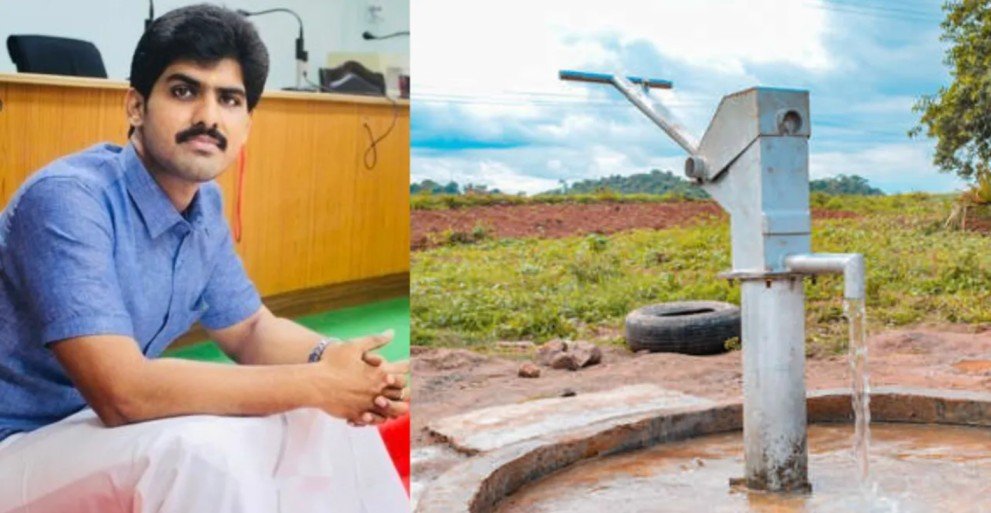
For decades, the rural narrative of Tamil Nadu followed a punishing, predictable rhythm: heavy monsoon downpours that quickly vanished into concrete storm drains, followed by dry summer spells where parched earth forced farmers to drill ever deeper into depleting aquifers. In Tiruvallur district, however, this cycle of water scarcity has been fundamentally disrupted. Led by District Collector Prathap M, an insightful 2017-batch IAS officer, the local administration has successfully transformed over 1,200 dry, abandoned borewells into a decentralized network of rainwater harvesting and groundwater recharge systems.
The intervention deliberately bypassed capital-intensive mega-engineering projects. Born into a farming family in Virudhunagar, Prathap M structured the initiative around a deeply personal understanding of rural water anxiety. Instead of sealing off defunct borewells—which were previously viewed as hazards or monuments to ecological decline—the district repurposed them as vertical entry conduits directly into the subterranean aquifers.
By connecting these shafts to localized silt-traps and rainwater catchment networks, monsoon runoff was filtered and funneled back into the earth. The low-cost strategy yielded rapid results: following the initial monsoon cycles, groundwater tables across several pockets rose by a substantial five to ten feet, effectively reviving agricultural fields and rendering dormant village hand pumps functional once more