
NEW DELHI — Tensions between New Delhi and Washington escalated sharply on Wednesday after India formally summoned the top US diplomat in the capital to lodge a fierce protest over a United States military strike on a commercial oil tanker off the coast of Oman. The strike has left three Indian seafarers missing, marking the second attack involving a high number of Indian crew members in just forty-eight hours.
Additional Secretary (Americas) Nagaraj Naidu summoned Jason Meeks, the Chargé d’Affaires of the United States Embassy in New Delhi, to hand over a formal diplomatic note of protest (demarche). The sharp diplomatic rebuke highlights India’s deepening anxiety over the safety of its nationals working along critical global shipping lanes.
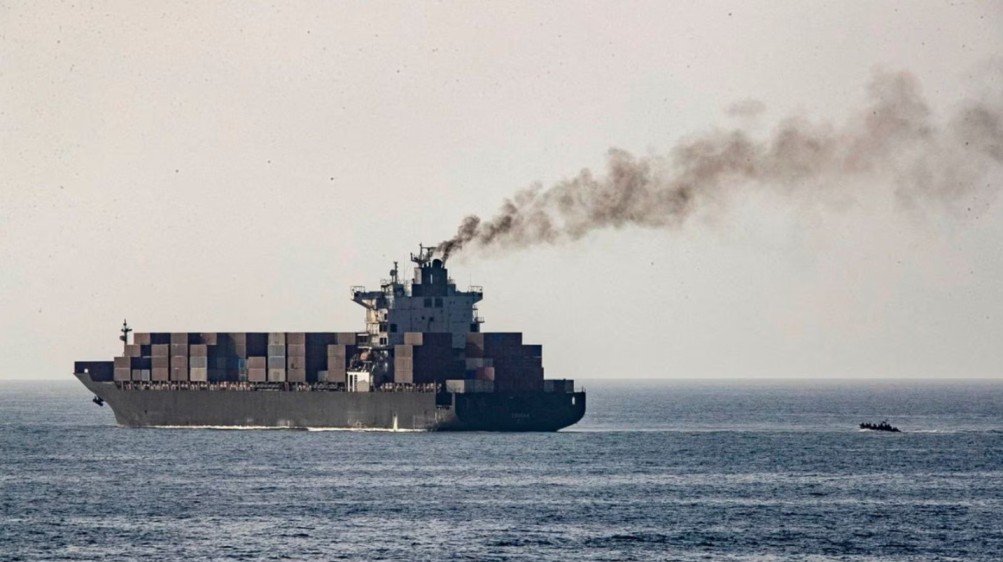
The Incident: US Strike Disables MT Settebello
According to maritime security agencies and official statements, the incident unfolded approximately 20 nautical miles northeast of Oman’s port of Sohar.
The vessel, identified as the MT Settebello—a Palau-flagged chemical and oil products tanker—was carrying a crew of 28 people, including 24 Indian nationals.
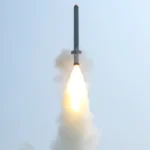
- The Strike: A US military aircraft fired precision munitions directly into the tanker’s engine room, sparking a massive fire.
- The Aftermath: While the Omani Navy launched a swift rescue operation pulling 21 Indian seafarers to safety, three Indian crew members remain missing.
CENTCOM Justifies the Attack
The United States Central Command (CENTCOM) quickly acknowledged accountability for the strike, defending it as an enforcement measure of its active maritime blockade on Iranian ports.
“US forces disabled an oil tanker in the Gulf of Oman after the vessel violated the ongoing blockade by attempting to transport oil from Iran. A US aircraft fired precision munitions into the ship’s engine room after the crew repeatedly failed to comply with directions from American forces.”
— U.S. Central Command Statement
Two Attacks in 48 Hours: A Patterns of Escalation
The strike on the Settebello is part of an increasingly aggressive US enforcement campaign. Just two days prior, another Palau-flagged tanker, the MT Marivex, was similarly targeted and struck by a US missile in the Gulf of Oman under allegations of sailing toward an Iranian port.
Fortunately, all 24 Indian crew members aboard the Marivex were successfully rescued by the Omani military, an action for which New Delhi expressed formal gratitude to the Omani government earlier this week. However, the back-to-back strikes have put hundreds of Indian sailors in the direct line of fire.
India’s Stance: “Targeting of Commercial Shipping Must End”
The Ministry of External Affairs (MEA) issued a strongly worded statement on Wednesday evening, explicitly condemning the strike and calling out the cascading risks to civilian infrastructure.
New Delhi reiterated its urgent demand for immediate de-escalation in West Asia and urged parties to conclude ongoing diplomatic negotiations to restore peace. Under international law, India insisted, free and unimpeded navigation through international waterways must be maintained.
Shipping Routes Under Extreme Pressure
The maritime corridor near the Strait of Hormuz has transformed into a volatile flashpoint since April, when the United States implemented a strict maritime blockade targeting Iran-linked shipping. CENTCOM reports that it has intercepted, redirected, or disabled dozens of vessels suspected of breaching the blockade.
| Vessel | Date of Attack | Flag Status | Indian Crew Count | Status of Indian Crew |
| MT Marivex | June 8, 2026 | Palau | 24 | 24 Rescued safely by Omani forces |
| MT Settebello | June 10, 2026 | Palau | 24 | 21 Rescued; 3 Separately Reported Missing |
Search Operations Underway
The Indian Embassy in Muscat remains in constant liaison with Omani maritime defense forces, who are actively conducting a comprehensive search and rescue operation in the Gulf of Oman to locate the three missing Indian nationals.