

BANGKOK | May 15, 2026
In a monumental discovery for the field of paleontology, scientists have officially unveiled a new species of giant dinosaur found in Thailand. Named Nagatitan chaiyaphumensis, this colossal herbivore is now recognized as the largest dinosaur ever discovered in Southeast Asia.
A Prehistoric Giant
Research published in the journal Scientific Reports details the massive scale of this creature:
- Weight: Approximately 27 tonnes (equivalent to nine adult elephants).
- Length: Estimated up to 27 metres (89 feet).
- Era: It roamed the earth between 100 and 120 million years ago during the Cretaceous period.
- Classification: A member of the sauropod lineage, characterized by a long neck, long tail, and four pillar-like legs.
The “Last Titan”
Lead author Thitiwoot Sethapanichsakul from University College London dubbed the species “the last titan.” The name is significant because Nagatitan was found in one of the region’s youngest rock formations to contain dinosaur fossils, appearing just before the area transitioned into a shallow sea, which made it uninhabitable for such large land animals.
Cultural and Scientific Significance
The name “Nagatitan” pays homage to the Naga, the serpent-like deity central to Southeast Asian mythology and temple architecture.
- Discovery: While locals first spotted remains a decade ago, excavations were only completed in 2024.
- Feeding Habits: Though the head was not found, experts believe it was a “bulk feeder,” consuming massive amounts of conifers and ferns with minimal chewing.
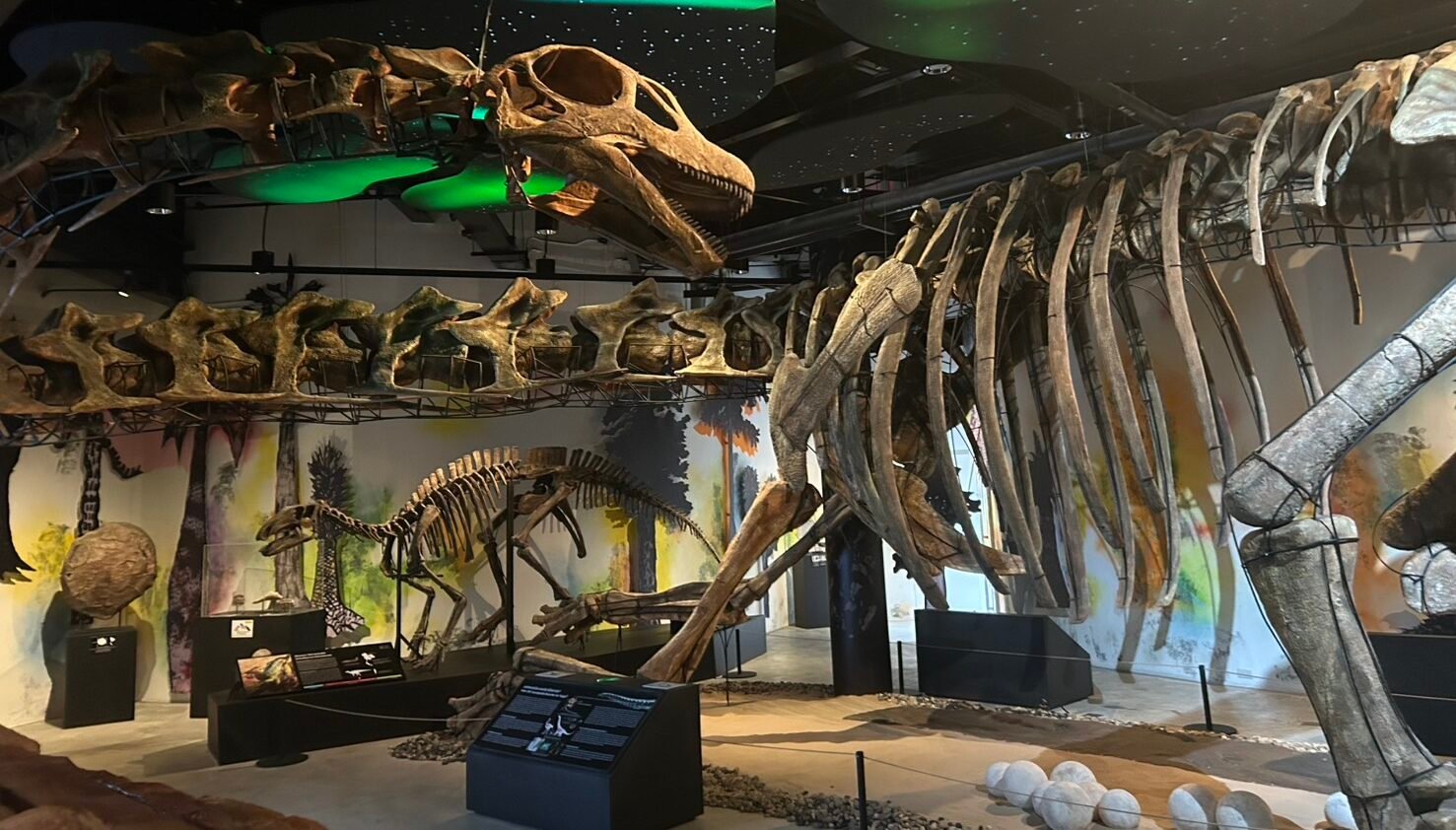
- Museum Display: A life-sized reconstruction is now open to the public at the Thainosaur Museum in Bangkok.
This discovery marks the 14th named dinosaur species from Thailand, solidifying the country’s position as a global hub for prehistoric research.